
Historical Attractions
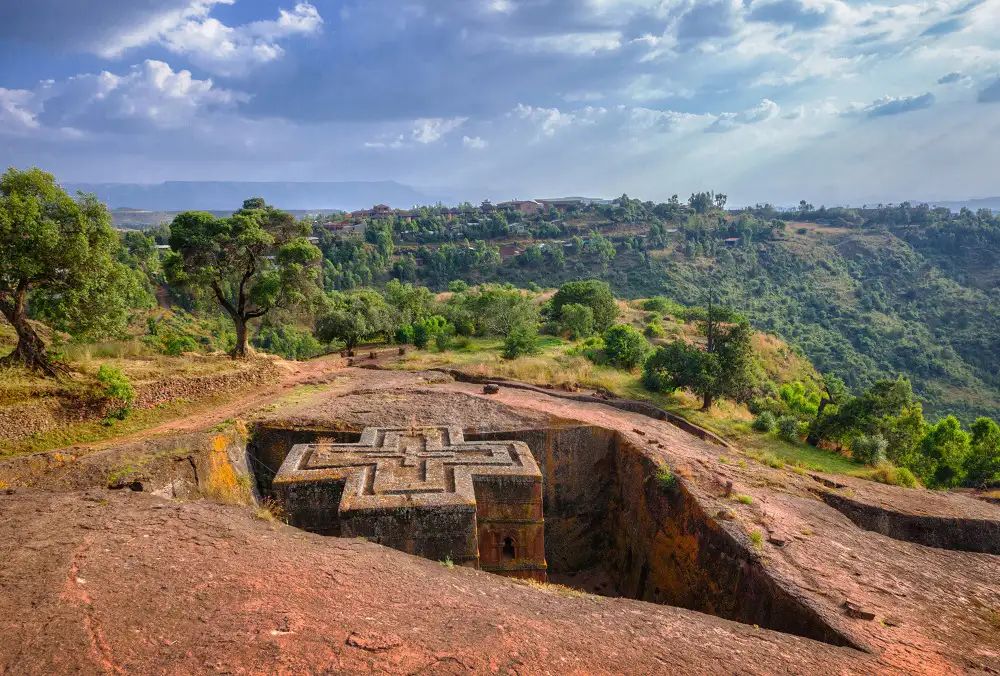
Lalibela Rock-Hewn Churches
The rock-hewn churches of Lalibela are among the most extraordinary architectural and spiritual achievements in the world, carved directly from solid volcanic rock in the 12th and 13th centuries. These 11 monolithic churches were created not by building upward, but by cutting downward and inward from a single piece of stone, forming hidden passageways, tunnels, and courtyards that still function as active places of worship today. Often referred to as the “Eighth Wonder of the World,” Lalibela is a powerful pilgrimage site where ancient Christian rituals, chants, and ceremonies continue daily, giving visitors a rare opportunity to witness living history in a truly sacred atmosphere.
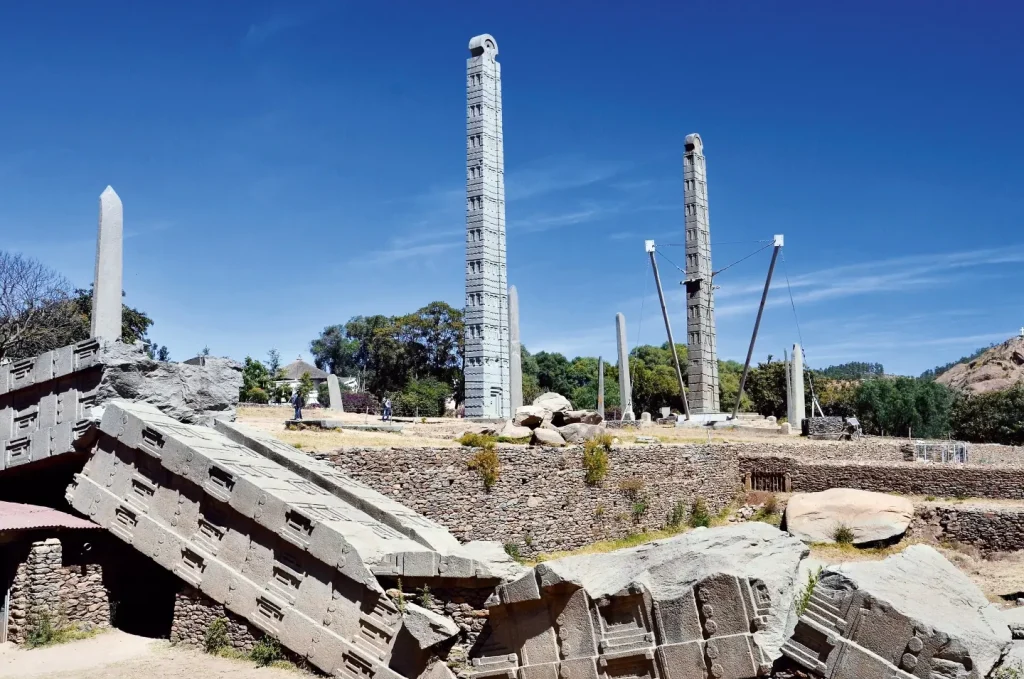
Axum Obelisks (Stelae Field)
The ancient city of Axum is considered the cradle of Ethiopian civilization, and its towering stone obelisks stand as silent witnesses to a powerful empire that ruled large parts of Africa and the Middle East more than 2,000 years ago. These massive granite stelae, some weighing hundreds of tons, were carved as monumental grave markers for ancient kings and nobles, demonstrating advanced engineering and artistic skills. Walking through the stelae field, visitors can explore royal tombs, ruined palaces, and archaeological remains that reveal the legacy of a once-dominant trading empire deeply connected to ancient Rome, Arabia, and India.
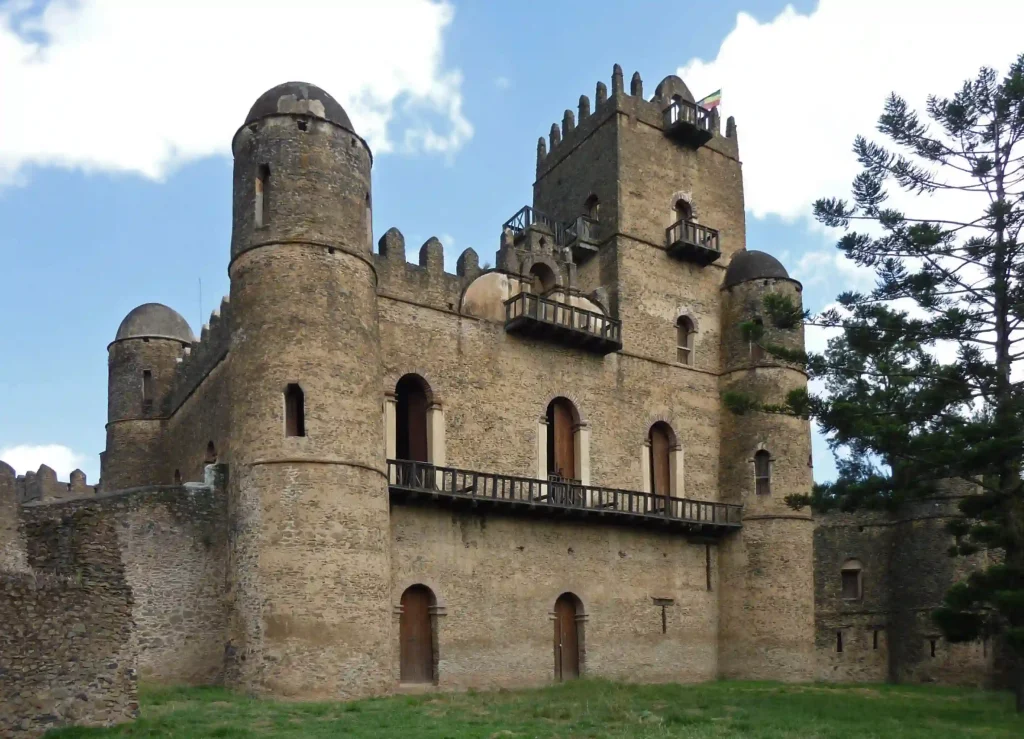
Fasil Ghebbi (Royal Enclosure), Gondar
Fasil Ghebbi, also known as the Royal Enclosure of Gondar, is a magnificent 17th-century fortress complex that tells the story of Ethiopia’s medieval imperial era. Surrounded by high stone walls, the compound contains castles, palaces, churches, libraries, and banquet halls built by Emperor Fasilides and his successors. The architecture reflects a unique blend of Ethiopian, Indian, and Portuguese influences, creating a fairy-tale-like silhouette that rises above the city of Gondar. Exploring this historic site feels like stepping into a forgotten kingdom where emperors ruled, ceremonies were held, and Ethiopia’s royal history unfolded.
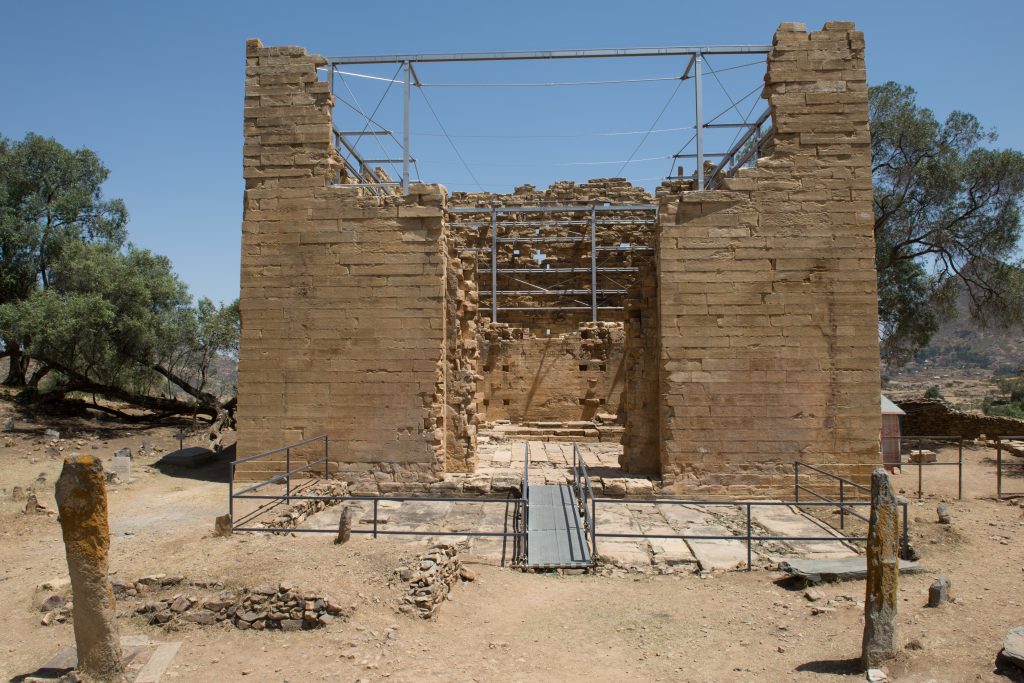
Yeha Temple
The Temple of Yeha is considered the oldest standing structure in Ethiopia, dating back over 2,500 years and believed to be linked to the ancient Sabaean civilization. Built from massive stone blocks fitted together without mortar, the temple demonstrates remarkable engineering skills and deep religious significance. Historians consider Yeha to be the earliest center of civilization in Ethiopia, and visiting the site allows travelers to witness the foundation of Ethiopian culture, architecture, and spiritual life long before the rise of Axumite and Christian traditions.
Debre Damo Monastery
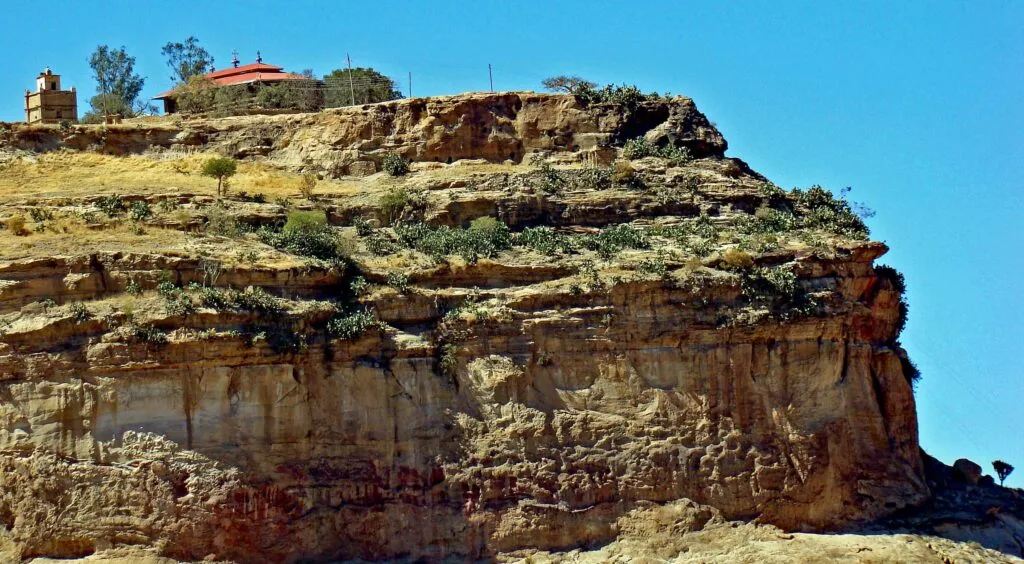
Debre Damo is one of Ethiopia’s most remote and fascinating monasteries, dramatically perched on a flat-topped mountain accessible only by climbing a rope up a vertical cliff. This ancient monastery, believed to date back to the 6th century, served as an important spiritual and cultural center for early Ethiopian Christianity. Surrounded by breathtaking landscapes and endless silence, the site offers a powerful sense of isolation, devotion, and mystery. Visiting Debre Damo is not only a physical adventure but also a spiritual experience that reveals the endurance and dedication of Ethiopia’s monastic traditions.
Lake Tana Monasteries
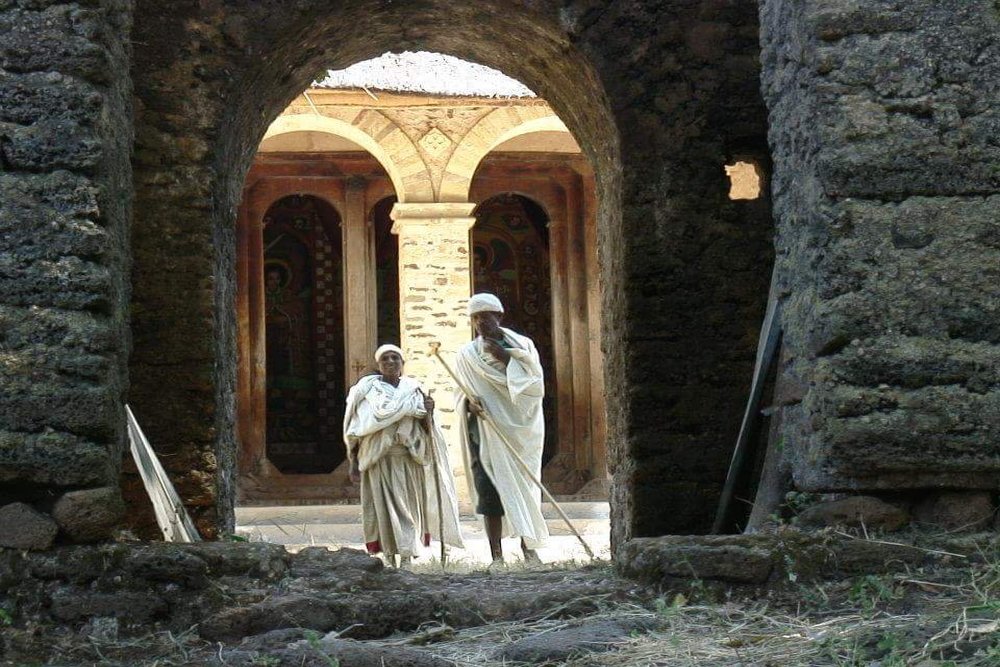
Lake Tana, the largest lake in Ethiopia and the sacred source of the Blue Nile, is home to a collection of some of the world’s most secluded and ancient religious sanctuaries. Scattered across 37 islands, these 14th-century monasteries served for centuries as remote storehouses for Ethiopia’s most precious treasures, including the skeletal remains of medieval emperors and ancient biblical manuscripts. A boat journey across the lake’s serene waters leads visitors to hidden gems like Ura Kidane Mehret and Azwa Maryam on the Zege Peninsula, where the interior walls are covered from floor to ceiling in vibrant, 16th-century frescoes that tell the stories of saints and miracles.