Tribes of Omo

Hamer Tribe

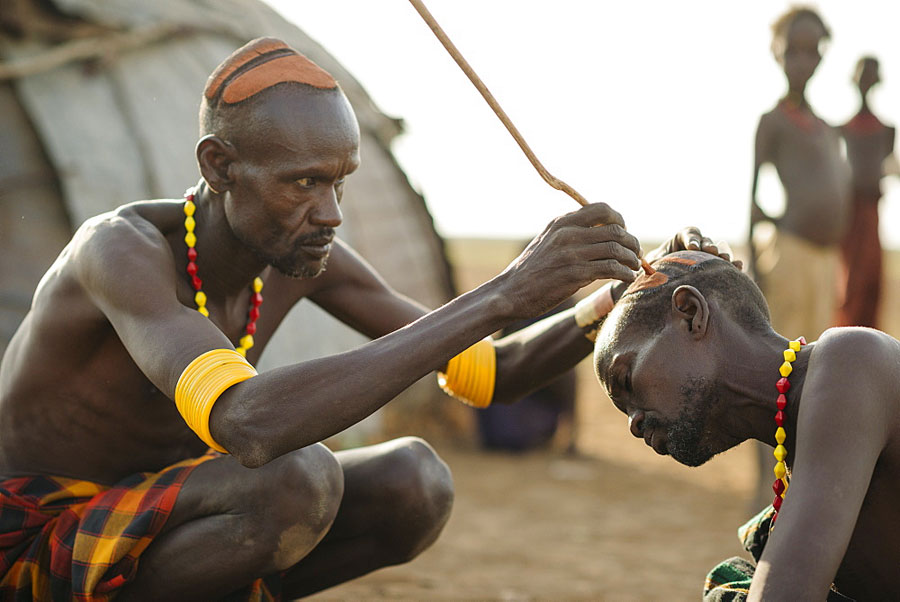
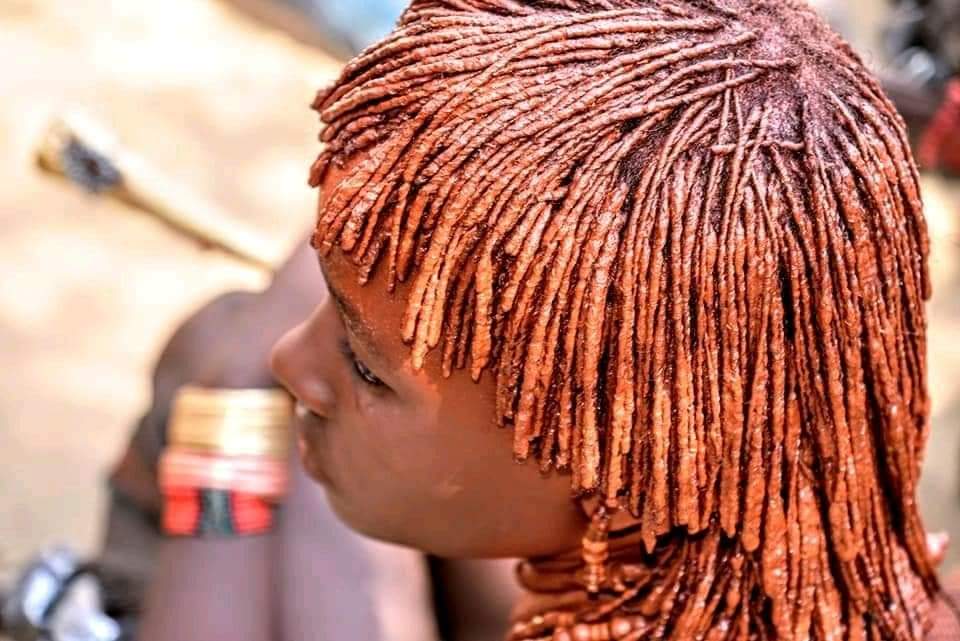
The Hamer people are known for their colorful beadwork, unique hairstyles, and the famous “bull-jumping” ceremony, which marks the transition of boys into manhood. Their lives revolve around cattle herding, soil cultivation, and strong family ties. Women decorate their hair with red clay and butter, creating intricate braids that symbolize beauty and social identity. A visit to a Hamer village allows travelers to experience traditional dances, music, and daily rural life.

Mursi Tribe

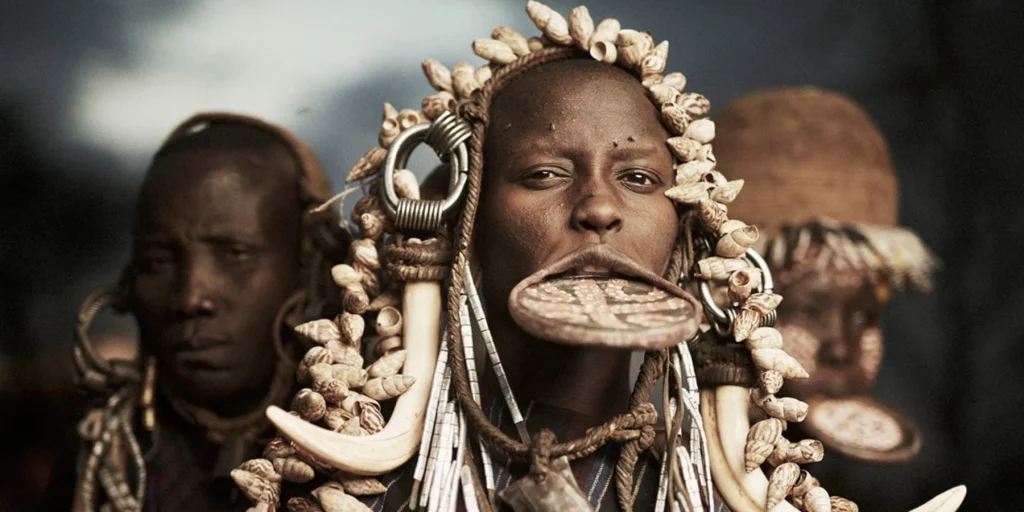
The Mursi are perhaps the most visually recognized tribe of the Omo Valley, especially known for the large clay lip plates worn by women as a symbol of beauty, maturity, and cultural pride. Living near the Omo River, they practice agriculture and cattle herding while maintaining strong warrior traditions. Despite modernization, the Mursi have preserved their customs, including body painting, scarification, and ritual ceremonies that reflect their deep connection to ancestry and survival.

Lalibela Rock-Hewn Churches

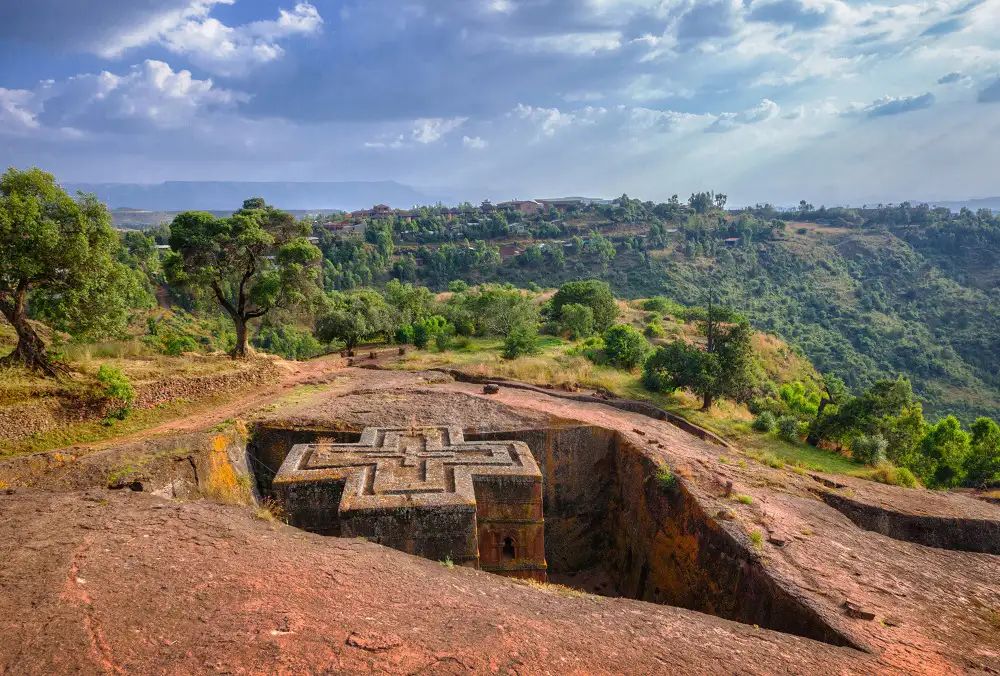
The rock-hewn churches of Lalibela are among the most extraordinary architectural and spiritual achievements in the world, carved directly from solid volcanic rock in the 12th and 13th centuries. These 11 monolithic churches were created not by building upward, but by cutting downward and inward from a single piece of stone, forming hidden passageways, tunnels, and courtyards that still function as active places of worship today. Often referred to as the “Eighth Wonder of the World,” Lalibela is a powerful pilgrimage site where ancient Christian rituals, chants, and ceremonies continue daily, giving visitors a rare opportunity to witness living history in a truly sacred atmosphere.

Karo Tribe

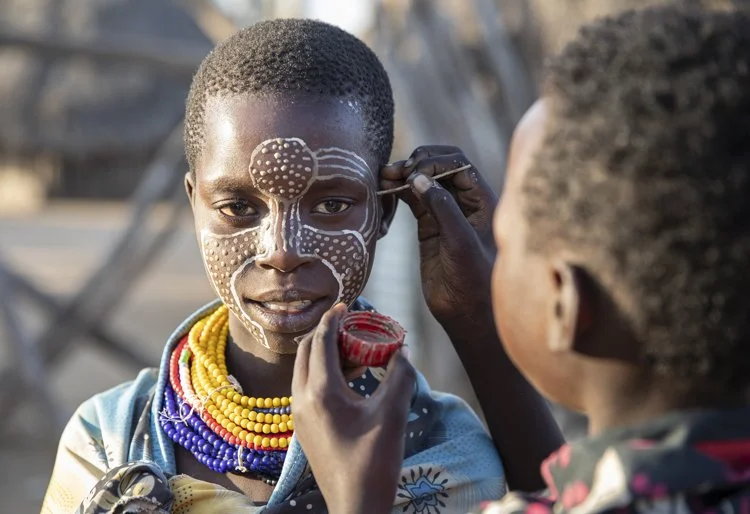
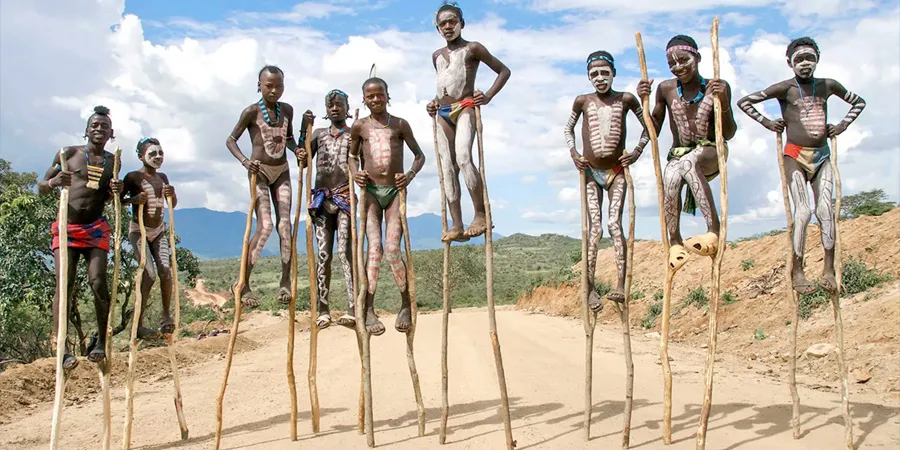
The Karo people are famous for their artistic body painting using white chalk, red ochre, and natural pigments, which they apply in beautiful patterns to celebrate festivals and courtship. Settled along the banks of the Omo River, the Karo live in small villages and depend heavily on fishing and flood-retreat cultivation. Visitors are often captivated by their welcoming smiles, vibrant ceremonies, and their strong sense of community and identity.

Dassanech Tribe

The Dassanech people live near the border of Ethiopia and Kenya, close to the delta of the Omo River. They are pastoralists who rely on cattle, goats, and fishing, adapting their lifestyle to the harsh and changing environment. The Dassanech are known for their resilience, creativity, and for making decorative items from recycled materials, such as bottle caps and metal pieces, turning survival into art. Their villages offer a glimpse into a life shaped by both tradition and environmental challenges.

Banna Tribe

The Banna people are culturally close to the Hamer and are known for their decorative hairstyles, wooden stools, colorful accessories, and stick-fighting ceremonies called “Donga.” These ceremonial competitions serve as a way to display strength and courage, often tied to social status and marriage. The Banna maintain strong cultural expressions through dance, music, and rituals that provide visitors with unforgettable cultural encounters.
Translate »